SEGIB participates in a dialogue on SSC and Decentralised Triangular Cooperation
This initiative aims to promote Strategic Objective 3 of the Ibero-American Programme for the Strengthening of South-South Cooperation.
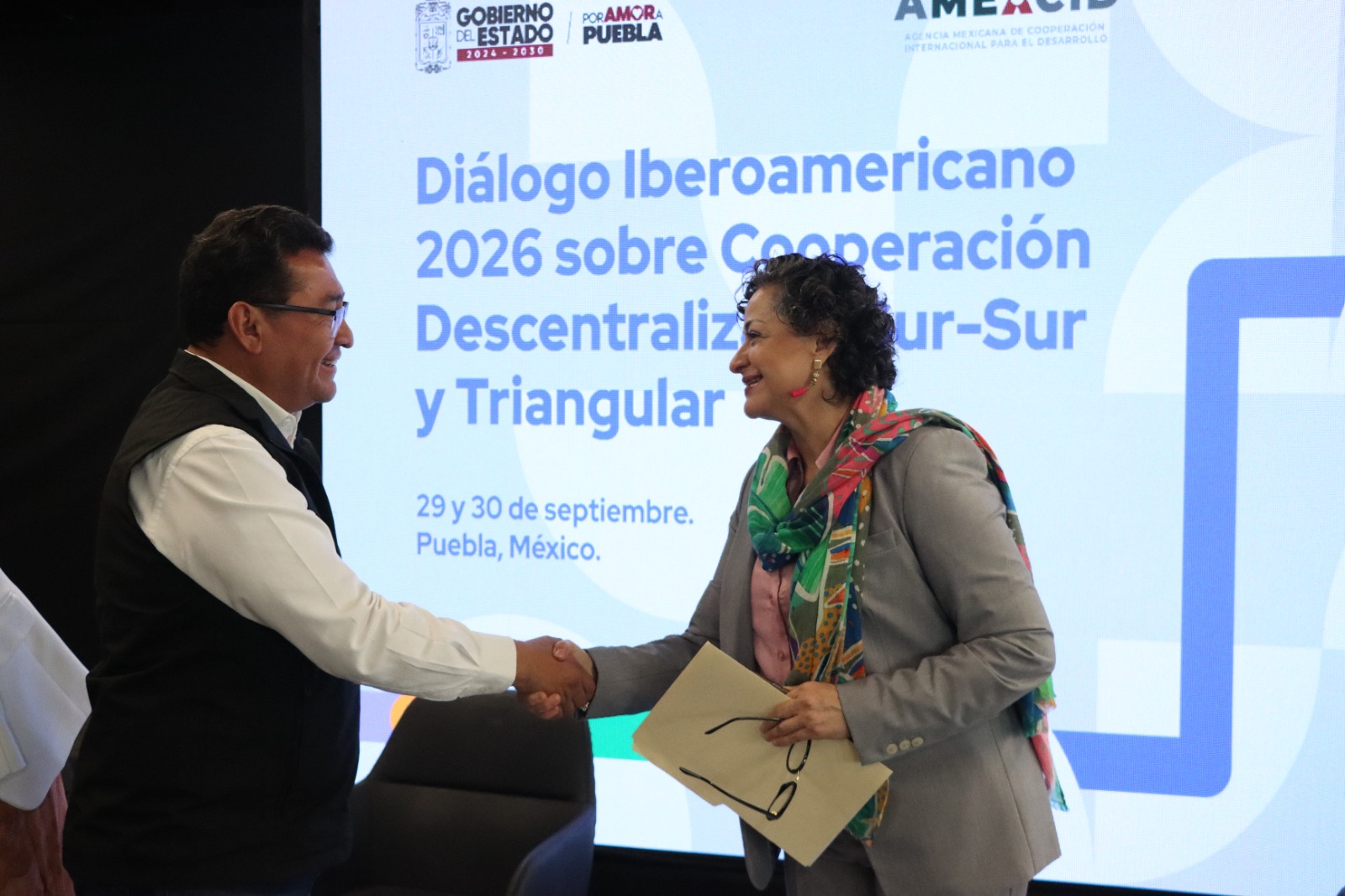
From 29 September to 1 October, various Ibero-American figures gathered in the city of Puebla (Mexico) for the 2026 Ibero-American Dialogue on South-South and Triangular Cooperation: Towards a Shared Agenda, organised by the Ibero-American Programme for the Strengthening of South-South Cooperation (PIFCSS), in conjunction with the Mexican Agency for International Cooperation (AMEXCID) and the Government of the State of Puebla.
According to the PIFCSS, in recent years, South-South and Triangular Decentralised Cooperation has become increasingly important in Ibero-America and, within the framework of the 2024–2030 Strategy, a specific objective aimed at strengthening Decentralised Cooperation in Ibero-America was incorporated. This objective aims to strengthen the capacities of governing institutions to promote multi-level coordination; contribute to the development of sub-national governments’ capacities to participate in SSDC and TDC initiatives; generate and mobilise knowledge on their dynamics, trends and opportunities; and promote greater coordination with national, regional and global actors who can contribute to strengthening cooperation at the local level.
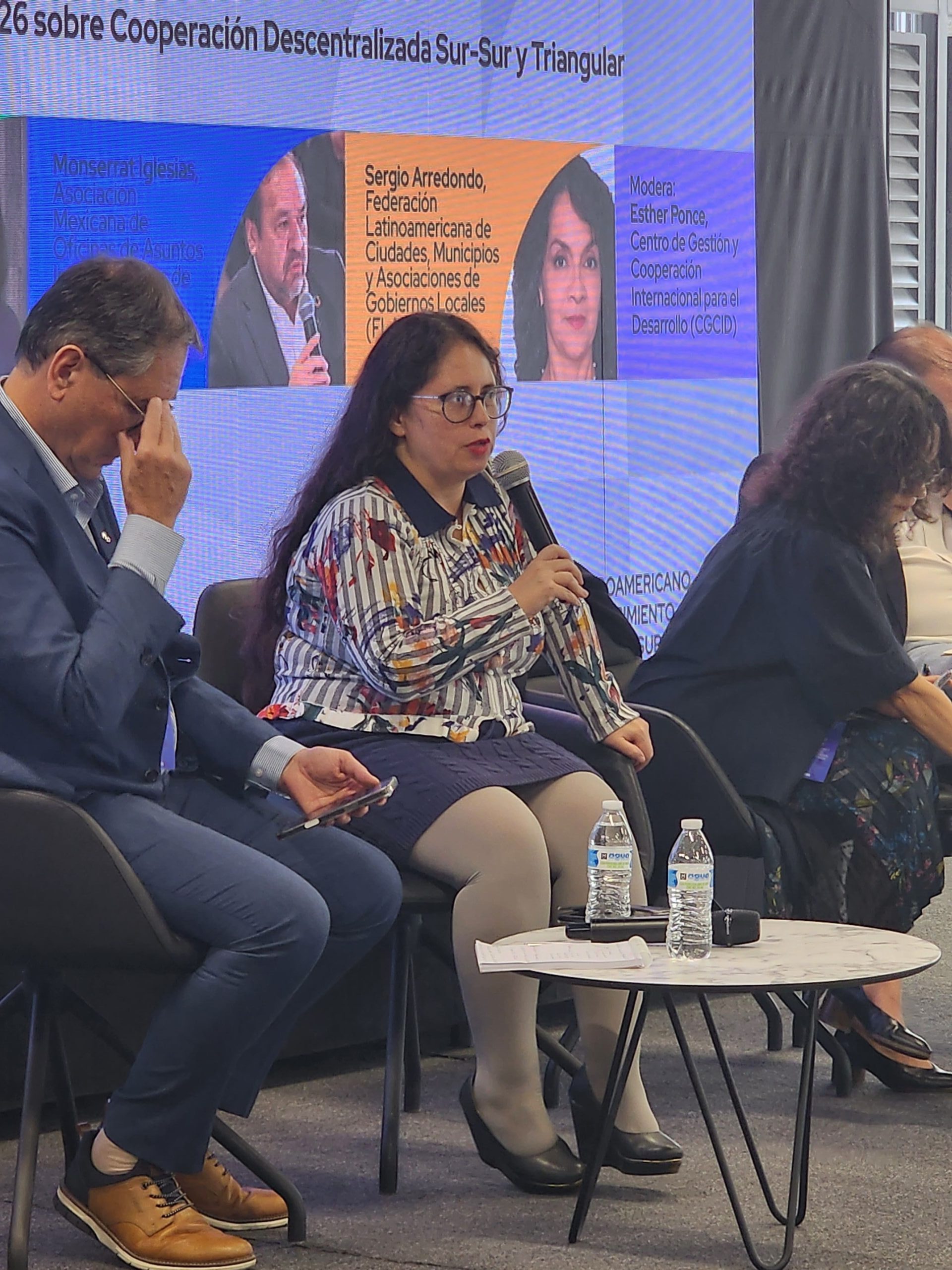
The meeting brought together leading cooperation organisations, sub-national governments, regional associations and federations, networks, specialists, academia and international organisations to gain a better understanding of the current dynamics of SSC and Decentralised Triangular Cooperation, identify capacities and support mechanisms, and forge links that will help to strengthen future cooperation initiatives.
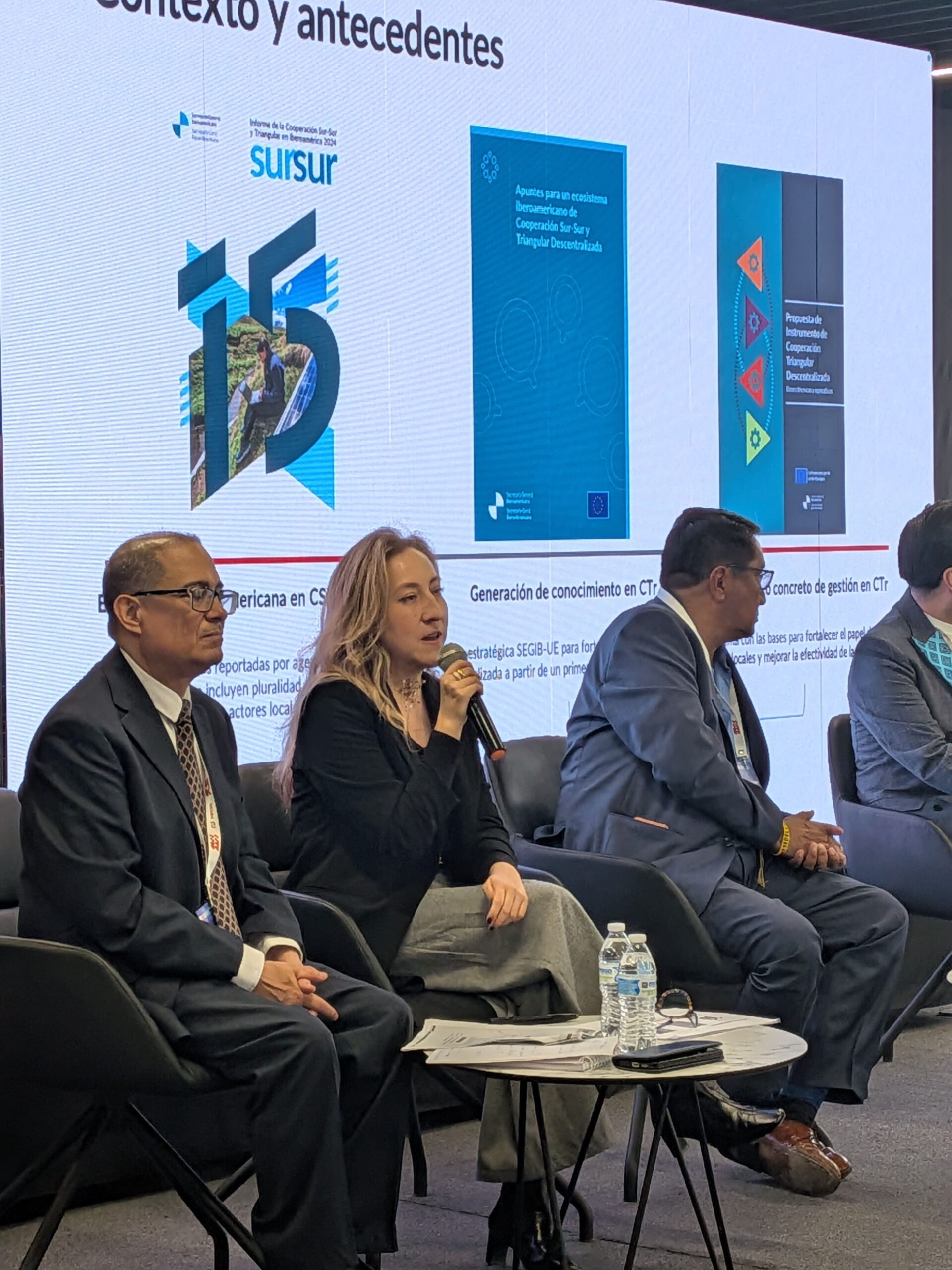
SEGIB had the opportunity to contribute to the discussion during the panel session ‘Opportunity Radar: instruments and support for territories’, during which the Proposal for a Decentralised Triangular Cooperation Instrument: technical and operational bases was presented. This instrument addresses the need for a governance mechanism and an action plan to ensure multi-level and multi-stakeholder participation and coordination in decentralised triangular cooperation, facilitating dialogue and complementarity between different approaches, as well as the enriching exchange of experiences and scalable good practices.
As the event ended, some of the points to bear in mind for future work were:
- Start with the local areas and the real problems that are identified and addressed at local and sub-national levels.
- Recognise local knowledge and capacities as a source of cooperation.
- Understand innovation also as an opportunity to review established practices and find simple, accessible and practical solutions.
- Strengthen the capacities of technical teams and systematise experiences so that each cooperation initiative can enrich the next.
- To recognise strategic or multi-level communication as part of cooperation, to build consensus, raise awareness, highlight results and contribute to knowledge management.
September 2026
***
Source: SEGIB, based on the Ibero-American Programme for the Strengthening of South-South Cooperation (PIFCSS, by its acronym in Spanish).
Photographs: PIFCSS