Through TC countries are joining forces to protect women
The initiative forms part of the AECID’s Triangular Cooperation Programme with Latin America and the Caribbean.
Violence against women in its various forms (sexual, institutional, obstetric, etc.) remains one of the greatest burdens in Latin America and the Caribbean, and one of the biggest obstacles to progress towards development and equality in the region. Unfortunately, although institutional progress has been made in this area, the data continues to highlight the need to step up and accelerate efforts at national and local level.
According to ECLAC’s Latin America and the Caribbean Gender Equality Observatory, in 2024, at least 3,770 women were victims of femicide, feminicide or gender-based violent death in 26 countries and territories across the region. This represents at least 11 gender-based violent deaths of women every day and a cumulative total of at least 19,254 cases of feminicide over the last five years in the region (ECLAC, 2025).
Against this backdrop, cooperation is an ideal mechanism for capacity-building and the exchange of successful models, enabling regional progress in tackling this issue. Specifically, through the Triangular Cooperation project ‘Strengthening models of prevention and comprehensive care for women experiencing violence: exchange of experiences and good practices’, Uruguay, Panama and Spain are working to strengthen models of prevention and care for women experiencing violence.
On the Spanish side, technical support is provided by the Navarre Institute for Equality and the University of Valencia. Throughout the project, guided by a philosophy of horizontal and triangular cooperation, the aim is to promote the exchange of knowledge, strengthen institutional capacities and move towards comprehensive responses to gender-based violence.
This initiative was one of the 16 programmes approved under the 2025 Call for Proposals of the AECID’s (Spanish Agency for International Development Cooperation) Triangular Cooperation Programme for Latin America and the Caribbean, which aims to “promote triangular cooperation in the Latin American region as a means of achieving the SDGs, directing it, towards a more advanced model, with a more innovative working framework based on a process-oriented approach and transformative elements, which comes as close as possible to the region’s current needs and challenges” (AECID, 2026).
Thus, in the context of the issue of violence against women, both Uruguay and Panama are currently in the process of reviewing and adjusting their strategies and mechanisms for responding to gender-based violence. In this context, this triangular initiative takes as its reference the model implemented at the Comprehensive Centre for Women Experiencing Violence in the province of Córdoba (Argentina). This is a management model that integrates the coordination, participation and collaboration of the various sectors addressing the issue of women experiencing violence. According to the Uruguayan Agency for International Cooperation (AUCI), the Centre’s model includes support for men who perpetrate violence, with the aim of facilitating social reintegration and preventing further incidents of violence (AUCI, 2026).
This Triangular Cooperation initiative provides for:
- Technical exchanges between teams for training and the exchange of experiences and knowledge.
- Consultancy services to evaluate existing practices.
- Development of an intervention model tailored to different local and sub-national contexts in Uruguay and Panama.
- Production of guides and resources for professionals and users.
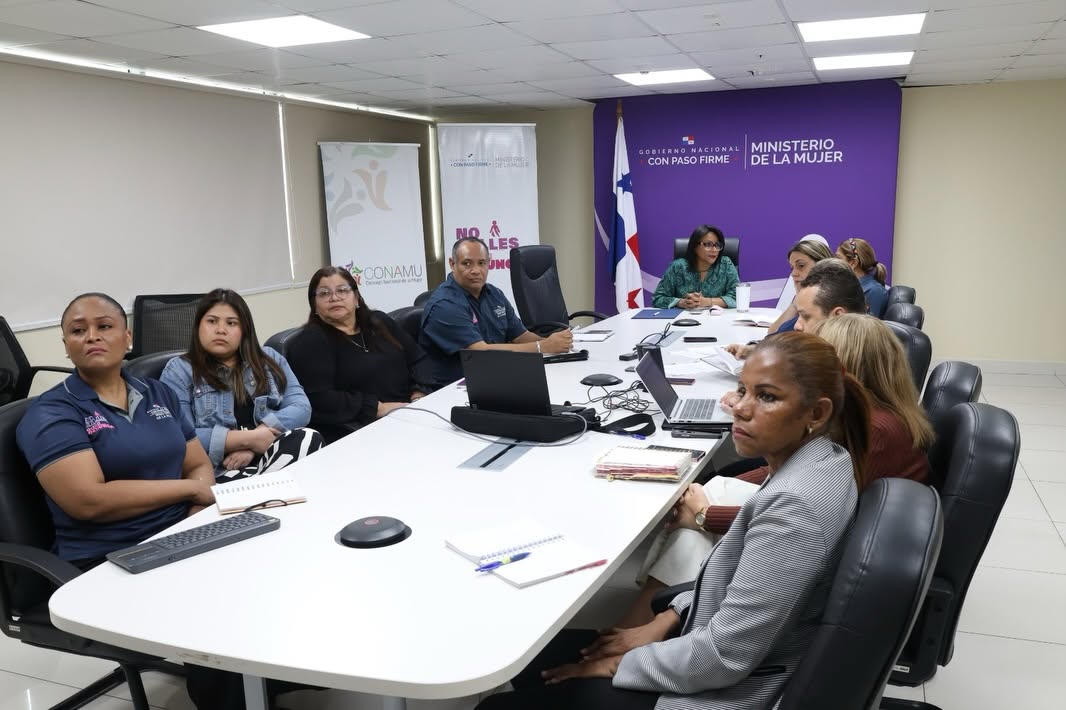
Through the Ministry for Women, Panama has publicized the measures implemented in the country, such as various awareness-raising campaigns; support provided through 17 Comprehensive Care Centers (CAI, by its acronym in Spanish) offering psychological support, social work and legal advice; the 182 helpline; the Women App; and shelters and safe houses (Ministry of Women in Facebook, 2026).
As part of the project, virtual technical workshops have already been held between teams from Uruguay, Panama and Córdoba (Argentina) and their counterparts in Spain (Valencia and Navarre) to exchange experiences and approaches in this field. This has enabled the production of systematization documents containing the necessary inputs for subsequent technical and policy missions to the province of Córdoba in Argentina, as well as for the design of roadmaps aimed at implementing the pilot centers in Uruguay and Panama.
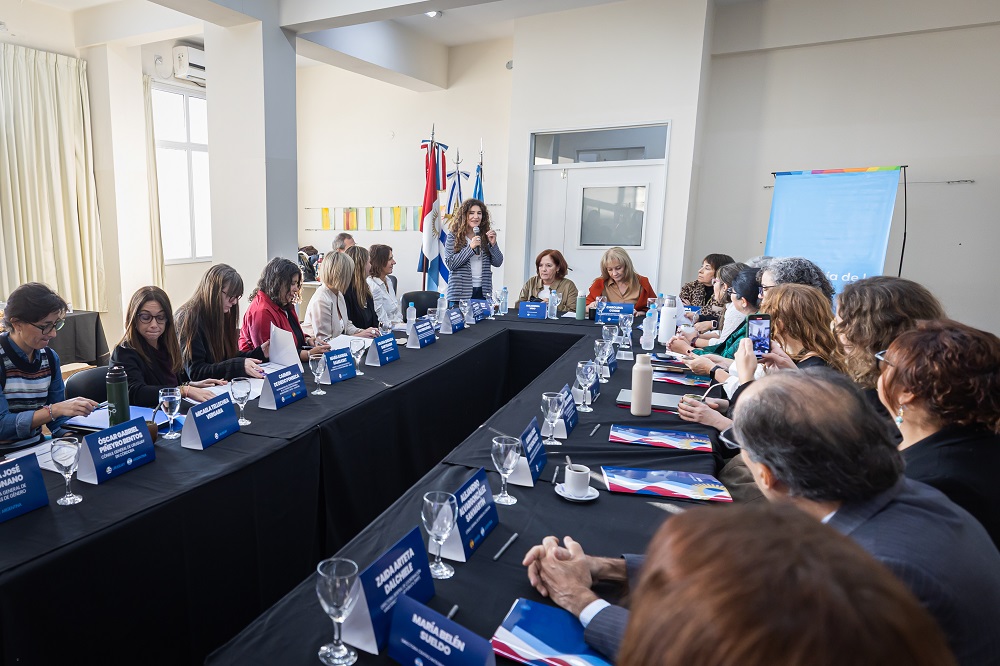
Recently, in June, the Director of the National Institute for Women (Inmujeres, part of Uruguay’s Ministry of Social Development), together with Carolina Cosse (Vice-President of the Republic) and the President of the Supreme Court of Justice, Doris Morales Martínez, shared the main findings of the technical mission carried out in Córdoba a few days earlier. One of the key points highlighted in the presentation was that, thanks to the on-site mission to Córdoba, the importance of inter-institutional models, coordination between the executive and judicial branches, community work – including with men who perpetrate violence – and policies promoting economic autonomy were highlighted as the cornerstones of a comprehensive policy (AUCI, 2026).
June 2026
***
Source: Spanish Agency for International Development Cooperation – AECID (2026) (Project documents), Uruguayan Agency for International Cooperation (AUCI, 2026), Economic Commission for Latin America and the Caribbean (ECLAC, 2025), Panama’s Ministry for Women on Facebook (2026) and the Comprehensive Support Centre for Women Experiencing Violence in Córdoba.
Photos: Spanish Agency for International Development Cooperation (AECID) and Uruguayan Agency for International Cooperation (AUCI).