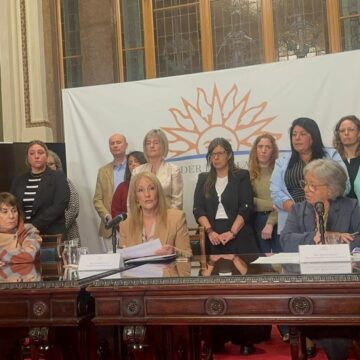
Triangular partnership in the fight against cervical cancer
Eliminating it requires strengthening not only clinical capabilities, but also the coordination and continuity of healthcare.
According to the World Health Organisation (WHO, 2026), cervical cancer is the fourth most common type of cancer among women. Its high incidence and mortality rates in regions such as sub-Saharan Africa, Central America and South-East Asia are linked to inequalities in access to vaccination, screening and treatment.
In Latin America, countries have strengthened their national capacities to improve diagnosis, patient care and vaccination coverage, in line with international efforts. In this context, triangular cooperation is seen as an ideal mechanism for exchanging experiences, building capacity and facilitating the replication of good practices in other countries across the region.
The initiative “Moving towards the elimination of cervical cancer in Bolivia, Paraguay and El Salvador, with a focus on vulnerable populations” was one of the 16 projects approved under the AECID’s CTr Programme for Latin America and the Caribbean. Its objective was to accelerate the national response to cervical cancer by strengthening comprehensive strategies for prevention, screening, timely diagnosis, treatment and follow-up care for women, particularly those faing the greatest barriers to accessing healthcare services (Systematisation Document, 2026, p. 5). The situation in the participating countries can be summarised as follows:
- Bolivia (recipient): has a robust regulatory framework to work towards the elimination of cervical cancer, although it needs to speed up the roll-out of HPV-based screening. Its main challenges are to expand coverage among vulnerable populations and to strengthen cancer care in order to reduce late diagnoses.
- Paraguay (recipient): has made progress in vaccination, HPV screening and information systems, but still faces difficulties in ensuring follow-up for women with positive test results. It is also seeking to improve access to specialist services and reduce regional inequalities.
- El Salvador (first provider): has consolidated the use of the HPV test, introduced self-sampling and expanded vaccination and treatment in primary care. Its current challenge is to ensure timely access to treatment and continuity of care across the entire health network.
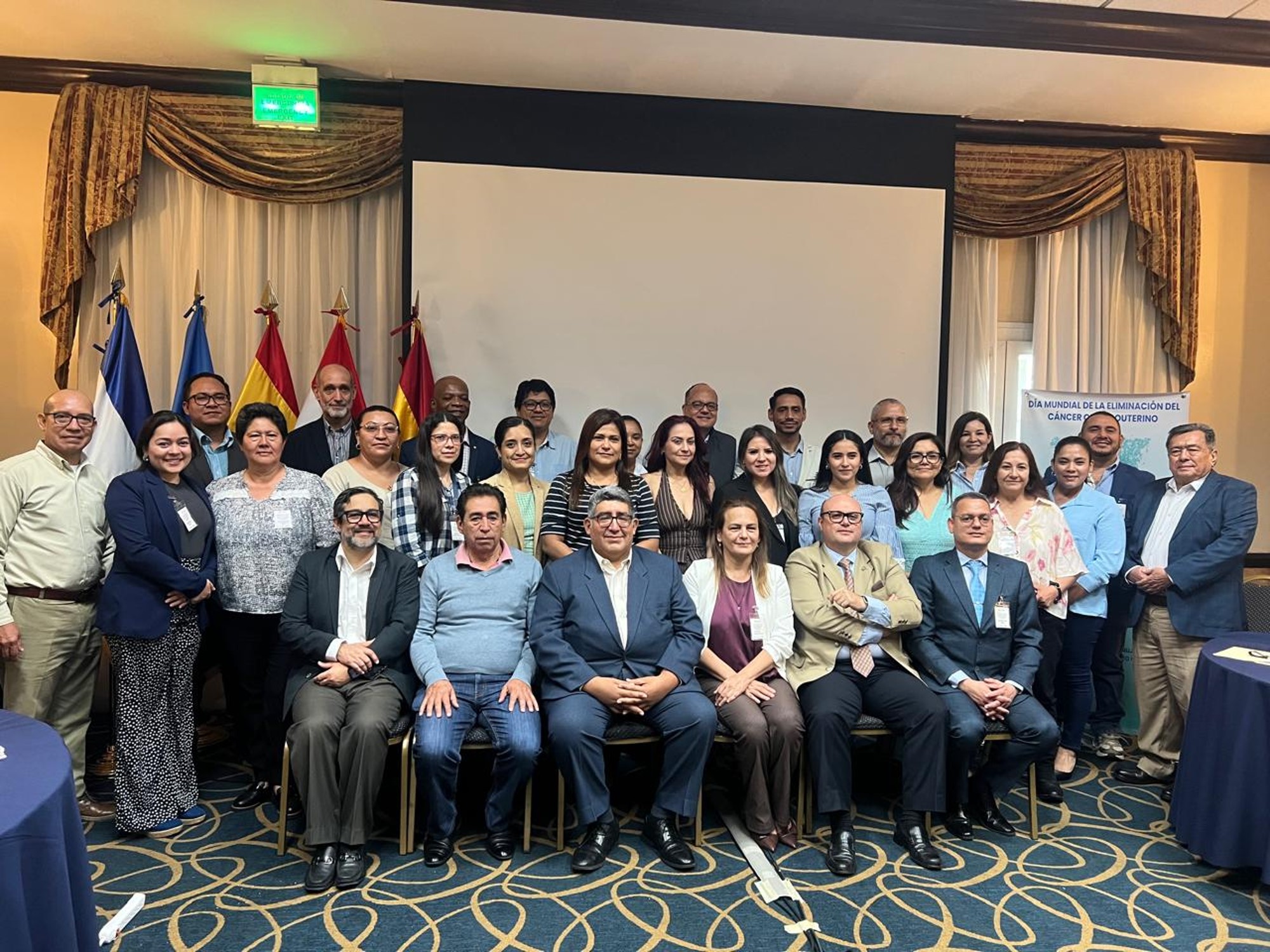
In November 2025, a virtual kick-off meeting was held to establish the operational and strategic foundations of the initiative. This meeting enabled the participating institutions to coordinate their efforts and draw up a joint work plan for the next event, which took place from 27 to 29 April 2026 in San Salvador under the title ‘Exchange of experiences and lessons learnt in the prevention, diagnosis and treatment of cervical cancer’.
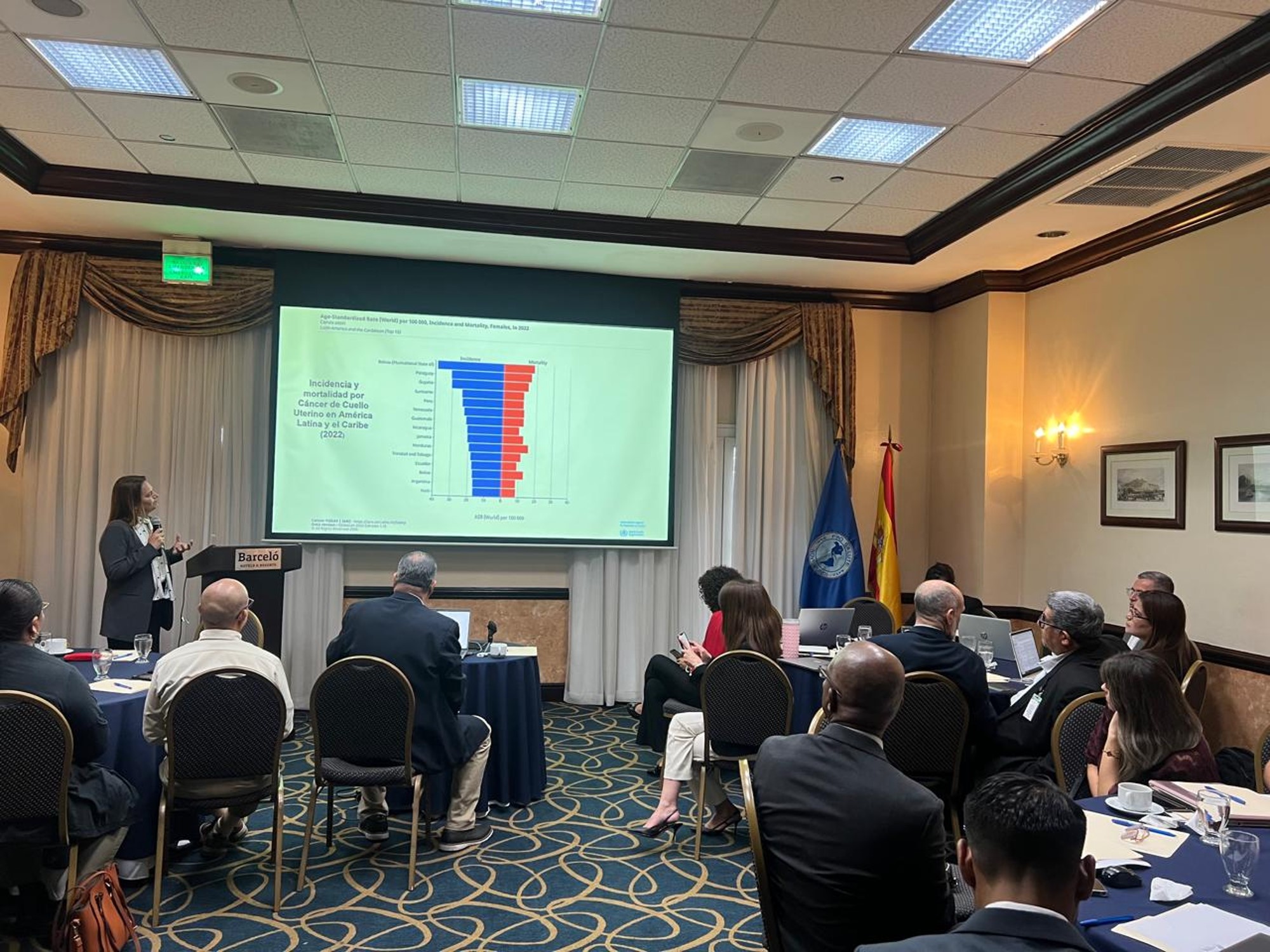
During this event, specialists from the health ministries of the participating countries shared best practices and undertook a field visit to the Apastepeque Health Centre in the department of San Vicente, El Salvador. This unit pioneered the roll-out of HPV testing between 2012 and 2017 and the development of a comprehensive service delivery model aimed at preventing cervical cancer in girls from the age of nine, as well as the early detection and treatment of women aged between 30 and 59.
In addition, two representatives from the Catalan Institute of Oncology in Spain (the second tenderer) took part virtually, providing technical recommendations on HPV screening, self-sampling, team management and data quality criteria for monitoring and evaluating the strategy.
One of the key lessons drawn from the visit was that “the elimination of cervical cancer requires not only the availability of screening, vaccines and treatments, but also an operational framework capable of ensuring continuity of care, the traceability of service users, coordination between different levels of care, and active follow-up of women with positive test results” (Systematisation document, 2026, p. 40).
July 2026
***
Source and photographs: Spanish Agency for International Development Cooperation (AECID by its acronym in Spanish, project fact sheets and systematisation document) and World Health Organisation – WHO (2026).