South-South Cooperation on housing for vulnerable groups
Access to decent housing is a right that many citizens are still unable to enjoy.
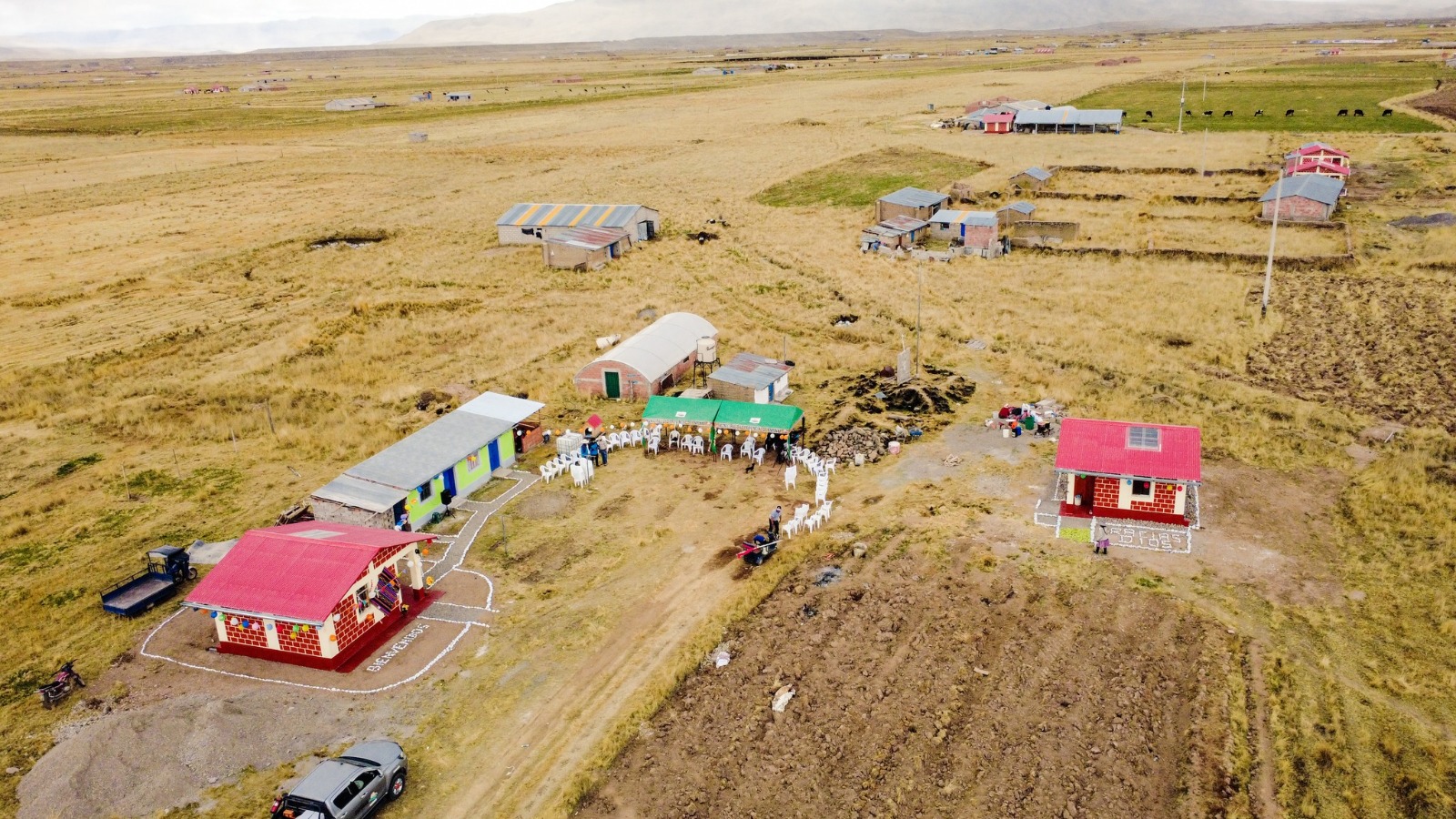
In Latin America, there are challenges surrounding the provision of adequate housing for people, particularly for those in vulnerable situations due to various factors: cultural, social, economic and even environmental. Communities are often forced to settle on land that is unsuitable for habitation, which exacerbates their exclusion and marginalisation. Housing is therefore key to human development and social justice, and addressing this issue requires a multidimensional approach.
In this regard, two Ibero-American countries have found, through the CSS, an ideal framework for the exchange of best practice in this field. These are Peru and Chile, where there is a need to provide comprehensive urban and rural housing solutions that are culturally and geographically appropriate and that promote the right conditions for a dignified life (Project factsheet, 2026).
Thus, in April 2025, as part of the 7th Meeting of the Joint Commission on Technical and Scientific Co-operation between Peru and Chile, the project ‘Exchange of experiences, technological options and technical assistance in the field of rural housing and sanitation’ was approved. Peru is represented by the Ministry of Housing, Construction and Sanitation (MVCS, by its acronym in Spanish) and Chile by the Ministry of Housing and Urban Development (MINVU, by its acronym in Spanish). Specifically, the aim is to strengthen the teams within the institutions to adapt best practices and develop innovative tools that promote territorial equity (Project factsheet, 2026).
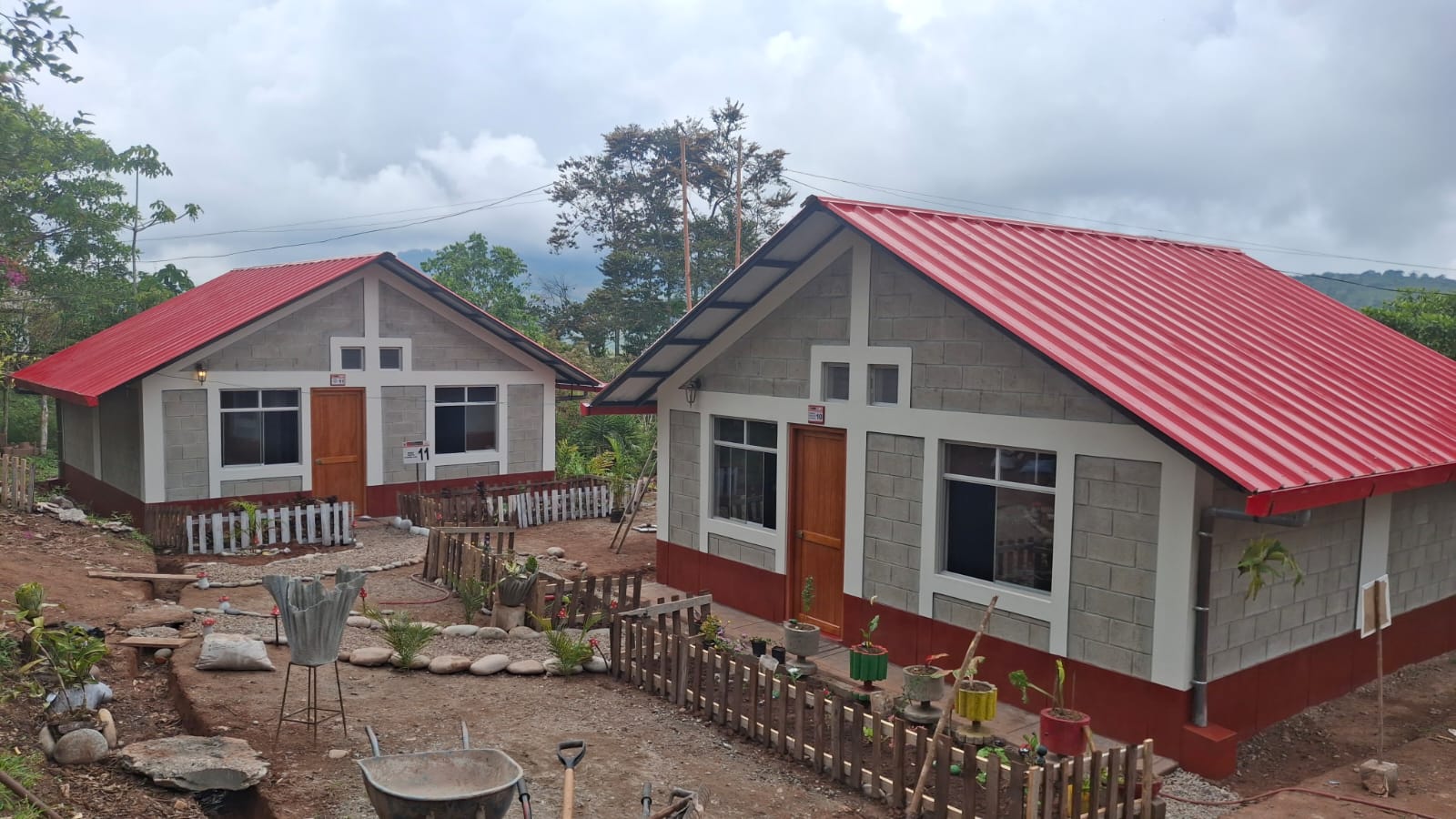
One of the success stories that Peru plans to share with Chile is the National Rural Housing Programme, specifically the ‘Wasiymi’ initiative (which means ‘my house’ in Quechua), comprising bioclimatic and earthquake-resistant housing models designed for rural families. This programme could be adapted to other similar contexts in Chile, and one of its most notable aspects as a best practice is that it involves a preliminary process of targeting and geographical prioritisation by public bodies, training and advice for the people who will benefit from the housing solutions, and the design of the spaces and the necessary, sustainable equipment required to build homes in high Andean and rainforest areas.
The main expected outcomes of this bilateral exchange include:
- To share experiences regarding the implementation of projects to improve rural housing and water and sanitation services.
- To gather input and best practices to strengthen equity in territorial development policies and programmes in small towns and both rural and urban areas.
- To promote the transfer of knowledge on resilient technologies to tackle water stress and shortages, and to improve the quality of drinking water.
- To identify lessons learnt regarding public–private coordination in housing programmes (Project factsheet, 2026).
Through this bilateral initiative, Peru and Chile are contributing to the achievement of SDG 11 (Sustainable cities and communities).
August 2026
***
Source: Peruvian Government Platform (2025) and Project Fact Sheet 2026.
Photos: Peruvian Government Platform.