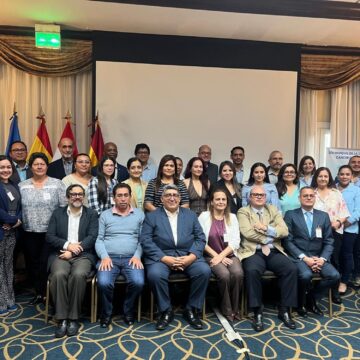
Triangular Cooperation to improve tax collection
Peru and Spain are supporting Ecuador in strengthening its risk-based tax administration.
According to the Inter-American Centre for Tax Administrations (2026), with regard to taxation in Latin America in 2025, there was a growing emphasis placed by public administrations on tax policy and on strengthening the relevant tax authorities. There were concrete advances, such as the implementation of electronic invoicing and the creation of specific tax regimes tailored to taxpayers’ economic profiles, although tax collection within the informal economy, for example, remains a challenge.
In order to prevent fraud and facilitate voluntary compliance with tax obligations, some Ibero-American tax authorities have implemented risk management models. The aim is to identify where there are gaps, errors or potential instances of tax evasion, to measure the impact of these risks and to apply specific courses of action according to taxpayers’ profiles, through the analysis of data and tax behavior (Díaz and Collosa, 2026).
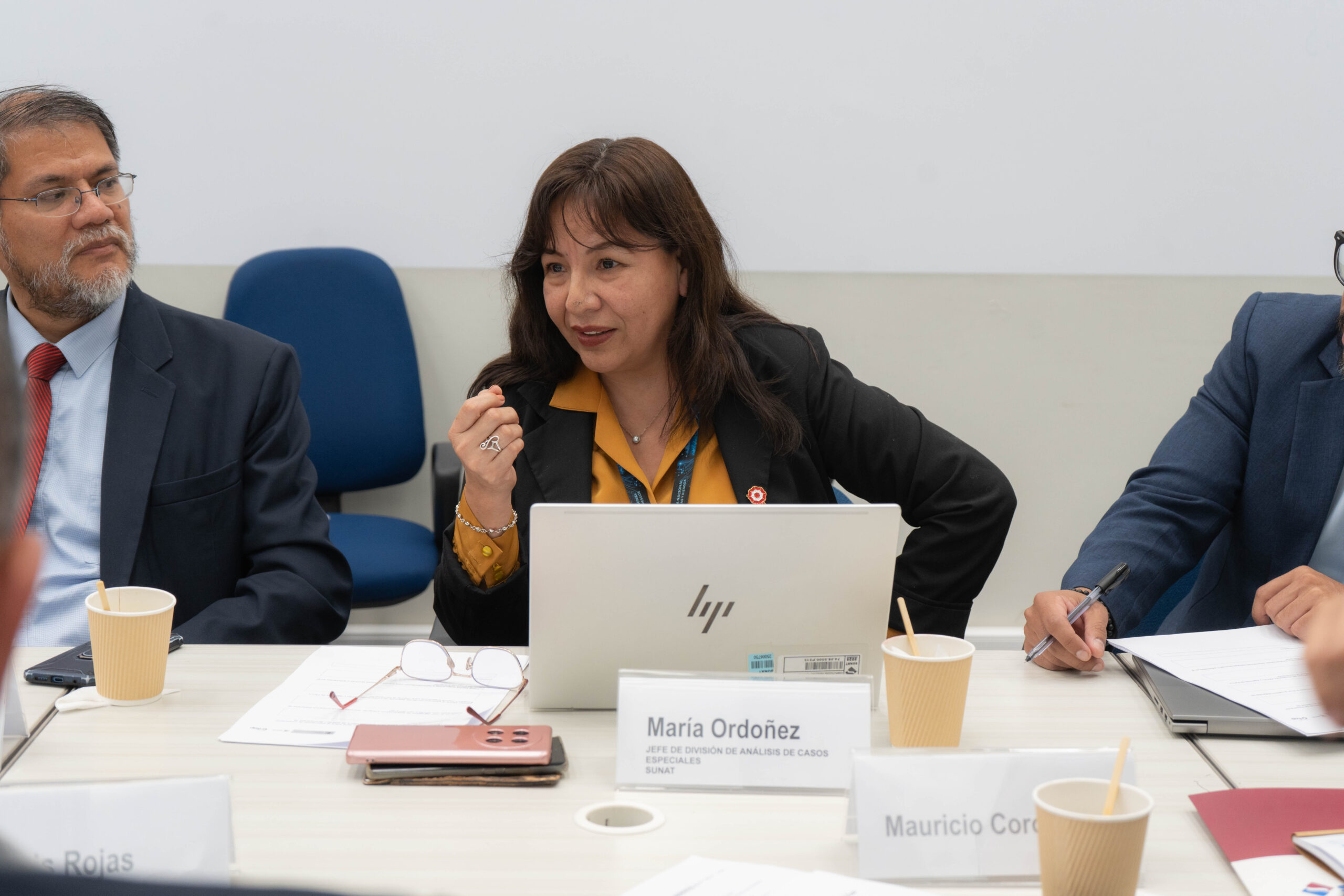
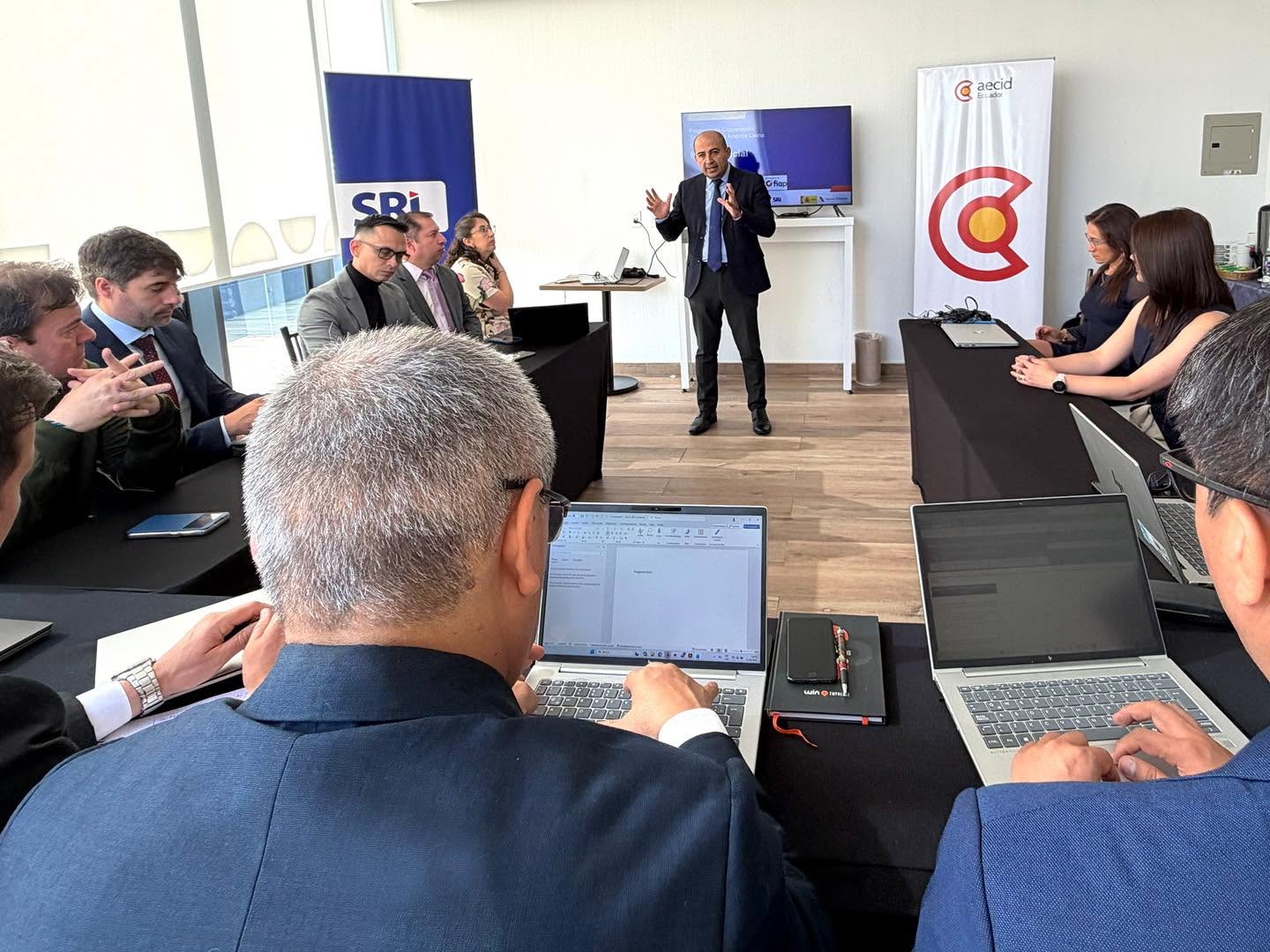
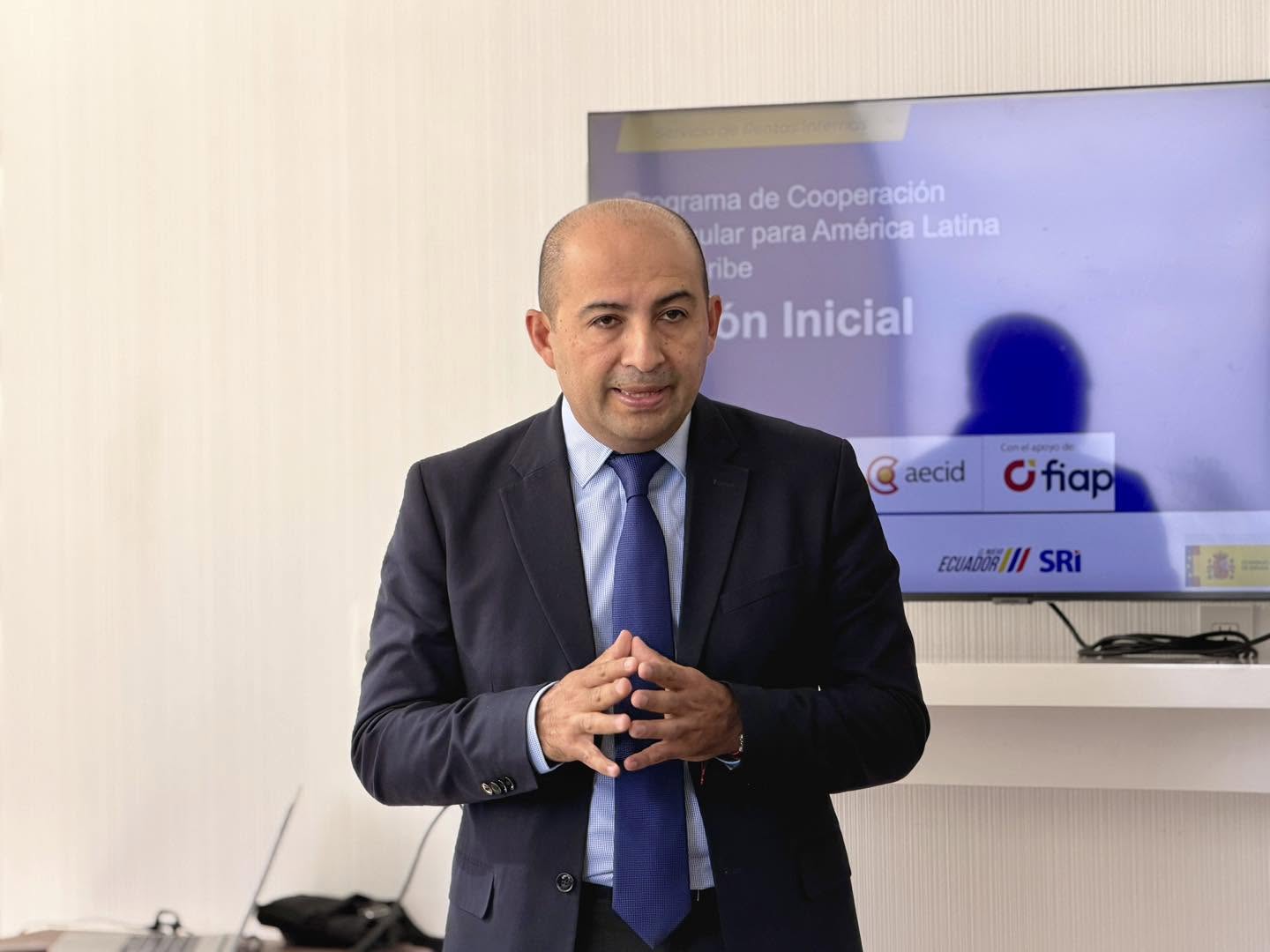
Thus, through the Triangular Cooperation project ‘Tax Compliance Based on Tax Risk Management’, Ecuador (recipient), Peru (first provider) and Spain (second provider) are joining forces to strengthen tax risk-based management within Ecuador’s Internal Revenue Service (SRI, by its acronym in Spanish), by identifying international best practices to enhance the effectiveness of tax collection cycle processes. The SRI, Peru’s National Superintendency of Customs and Tax Administration (SUNAT, by its acronym in Spanish) and Spain’s State Tax Administration Agency are participating in this triangular cooperation initiative.
This initiative forms part of the AECID’s 2025 Triangular Cooperation Programme for Latin America and the Caribbean and involves technical visits and internship programmes within the participating tax authorities, enabling experts to gain first-hand experience of the processes to be improved (Project factsheet, AECID).
The Programme comprises six activities focusing on assessment, training and knowledge transfer amongst the participating institutions. In April 2026, an initial assessment mission was carried out in Quito with representatives from the three countries, and in July of the same year the Ecuadorian team travelled to Lima for a technical placement during which best practices in tax risk management and advanced analytics were shared to ensure more efficient management and facilitate voluntary compliance (Social media platform X, 2026).
Specifically, the event enabled SRI participants to learn about and understand the methodologies, tools and results of SUNAT’s models for risk management aimed at tax compliance, including risk identification, data analytics, programming and evaluation, which could be adapted to their own national context.
Thanks to this Triangular Cooperation initiative, these three Ibero-American partners are helping to build more effective and transparent tax administrations, in line with the Initiative to Promote Tax Justice in Latin America and the Caribbean promoted by the AECID, which aims to foster tax systems that are more equitable, efficient and capable of mobilizing resources for sustainable development. Furthermore, they are helping to ensure that Ibero-American cooperation is aligned with SDG 8 (Decent work and economic growth) and SDG 16 (Peace, justice and strong institutions).
September 2026
***
Source: SEGIB based on Spanish Agency for International Development Cooperation (AECID, by its acronym in Spanish) and Diaz, Fernando and Collosa, Alfredo (2026).
Photos: AECID